
The post How to Keep a Tidy Home When Your Brain Isn’t in the Mood appeared first on Concord Management Blog.
]]>
Keeping your home clean and organized is a daunting task for most people and it's even harder when your brain doesn't want to cooperate because you are dealing with stress, anxiety, depression, or other one of life's struggles. Let's talk about a few ways you can break it down into manageable pieces and still have a clean space to enjoy.
- Break tasks into smaller, more manageable steps: When you're feeling overwhelmed, even the smallest tasks can feel overwhelming. Instead of trying to tackle a space all at once, break it into smaller pieces. For example, instead of trying to clean your entire kitchen, focus on washing the dishes first.
- Create a cleaning schedule: Having a set cleaning schedule can help you stay on track and feel more in control. Decide which tasks you want to accomplish each day, and create a schedule that works for you. Be gentle with yourself. If you can't complete all the tasks that you set aside for the day, be proud of yourself for the ones you were able to do.
- Enlist the help of a friend or family member: Don't be afraid to ask for help when you need it. Reach out to a trusted friend or family member and ask if they can come over and help you clean. This gets you a cleaner space and time with people who care about you.
- Make cleaning fun: Try to make cleaning as enjoyable as possible. Turning cleaning into a fun activity can help you feel more motivated to get it done. Put on your favorite playlist and dance while you sweep. If you like ambient music, go to YouTube and search for "Medieval tavern" and pretend you are the owner of a popular tavern and you are cleaning it up at the end of a fun night.
- Put on a favorite TV show or other short entertainment: Set a goal to clean one space until that episode is over. Making it something that you've seen before and won't be tempted to sit down and watch would be best.
Remember, it's okay to take breaks and prioritize your mental health over-cleaning. Be kind to yourself and don't push yourself too hard. Keeping your living space clean can help improve your mood and overall well-being, but it's important to do it in a way that works for you.
The post How to Keep a Tidy Home When Your Brain Isn’t in the Mood appeared first on Concord Management Blog.
]]>The post 10 Healthy Budget-Friendly Meal Planning Tips appeared first on Concord Management Blog.
]]>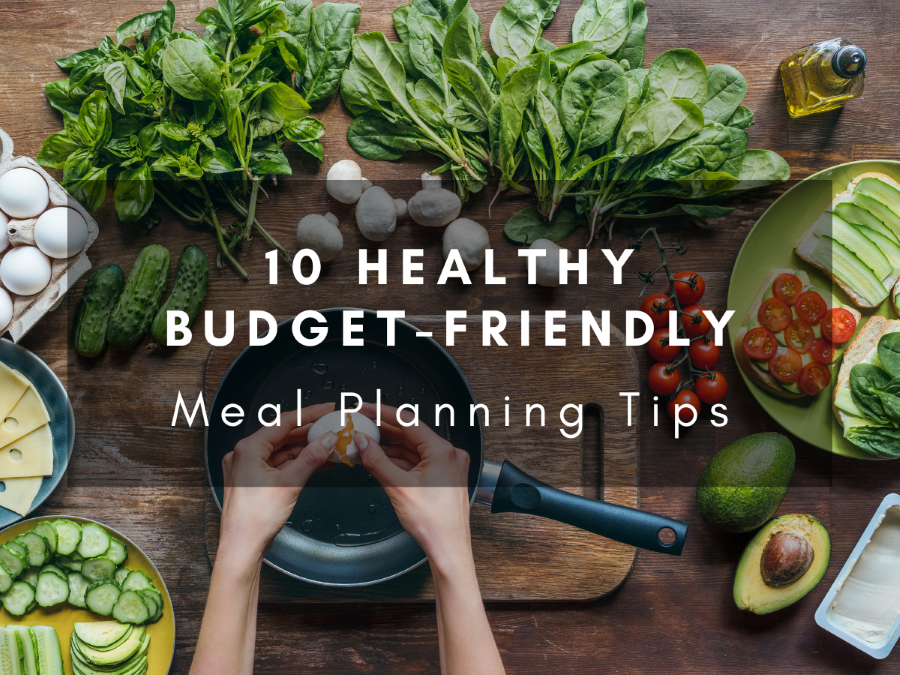
Eating healthy on a budget can feel like a daunting task, but it's not impossible! With a little bit of planning and creativity, you can cook delicious and nutritious meals that won't break the bank. Here are some tips to help you eat healthy on a budget:
- Plan your meals ahead of time: Take some time each week to plan your meals and make a grocery list. This will help you avoid impulse buying and ensure that you have all the ingredients you need to cook healthy meals.
- Shop for seasonal produce: Seasonal produce is often cheaper and fresher than out-of-season produce. Look for fruits and vegetables that are in season and plan your meals around them. If there is nothing appealing to you that is in season, frozen is fine and just as healthy.
- Buy in bulk: Buying in bulk can save you money in the long run. Look for bulk bins at your local grocery store or buy larger quantities of items that you use frequently but don't spoil as fast such as grains, beans, and nuts.
- Use cheaper cuts of meat: Cheaper cuts of meat like chicken thighs, pork shoulder, and beef chuck are often more flavorful and tender than more expensive cuts. They're also great for slow cooking, which can save you time and money.
- It's okay to use prepackaged meals: Cooking on a budget means working with what you've got. While cooking from scratch allows you more control over the ingredients, it's not always as budget-friendly as grabbing some Hamburger Helper or frozen lasagna.
- Make use of leftovers: Don't let leftovers go to waste! Use them to make new meals or take them for lunch the next day.
- Use spices and herbs: Spices and herbs can add flavor to your meals without adding extra calories or cost. Keep a well-stocked spice rack and experiment with different flavor combinations.
- Shop at discount stores: Discount stores like Aldi and Lidl can be great places to find healthy foods at a lower cost. Just be sure to check the expiration dates and quality of the products.
- Look at the sales papers: It goes without saying that coupons are your friends. Go through the sale papers and see what is on sale that you could use to make healthy meals. Publix has excellent BOGOs every week, and while most of their food is a bit more expensive than say, Walmart, if you only shop the BOGO sales, you are still coming out ahead. Bonus! Many grocery stores will take competitor coupons or honor other store sales. Check with your grocery store for their policy.
- Look at the price tag: A lot of grocery stores will have the price in big letters and in smaller letters at the bottom, the price you are paying per unit. And sometimes, the larger quantity is not actually cheaper. For example: Bagel Bites are $3.15 for a pack of 9 and have a unit cost of $.35 per piece. The 18-count box, which you'd think is a better deal, is $7.59 with a unit cost of $.54 per piece. That's a big difference!
Eating healthy on a budget may require a little bit of extra effort, but it's worth it for your health and your wallet. With these tips, you can cook delicious and nutritious meals without breaking the bank.
The post 10 Healthy Budget-Friendly Meal Planning Tips appeared first on Concord Management Blog.
]]>